



Hot Work for Offshore Wind Power Operation and Maintenance
As the global installed capacity of offshore wind power grows rapidly, hot work (welding, cutting, grinding, etc.) during the O&M phase has become a critical link in ensuring the stable operation of core equipment such as wind turbines and offshore substations. However, the extreme marine environment characterized by high salt spray, strong sea breeze, and high humidity imposes stringent requirements on the safety of operating personnel as well as the corrosion resistance and explosion-proof reliability of hot work protection equipment.
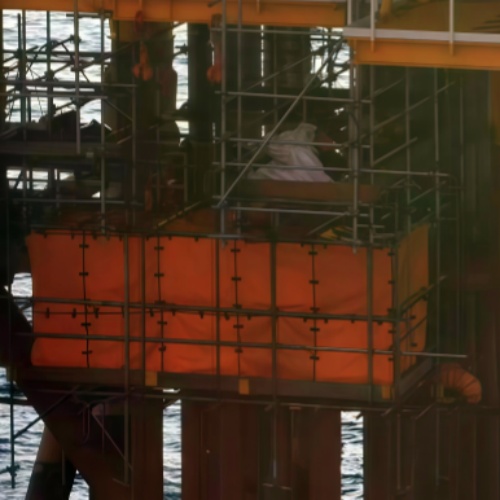
The Welltech Positive Pressure Explosion-Proof Welding Habitat addresses this scenario through systematic corrosion resistance design and ATEX-grade safety protection, offering a reliable solution for hot work in offshore wind power operation and maintenance.
1. Core Environmental Challenges
1.1 Salt Spray Corrosion
Marine salt spray typically contains high concentrations of chloride ions, which penetrate ordinary metal coatings and trigger electrochemical corrosion. This leads to reduced structural strength of operating equipment and short-circuit failure of electrical components. For hot work protection equipment, corrosion not only diminishes structural tightness but also damages the insulation of explosion-proof electrical components, directly creating safety hazards.
1.2 Strong Wind and Vibration
The operating space on wind turbine towers and offshore decks is relatively narrow. Affected by strong sea breeze and hull vibration, temporary protection facilities are prone to being blown down or displaced. Traditional welding enclosures fail to maintain a stable positive pressure protection environment, making it impossible to effectively block the intrusion of flammable and explosive gases.
1.3 High Humidity and Temperature Differences
Large day-night temperature differences and near-saturated air humidity at sea easily cause condensation inside equipment, accelerating circuit aging and metal corrosion. Meanwhile, the interaction between high-temperature flue gas generated by hot work and low-temperature sea breeze intensifies thermal expansion and contraction of equipment, affecting sealing accuracy and pressure control precision.
1.4 Imperative Explosion-Proof Requirement
Offshore wind power platforms and surrounding areas carry risks such as oil and gas residue and hydraulic oil volatilization. Sparks and high-temperature molten slag generated by hot work are highly likely to trigger explosion and fire accidents. Therefore, hot work equipment must meet strict ATEX explosion-proof standards.
2. Corrosion Resistance Solution of Welltech Positive Pressure Explosion-Proof Welding Habitat
2.1 Structural Materials: Dual Protection of High-Corrosion-Resistant Alloys and Anti-Corrosion Coatings
Main Frame: Adopts 316 stainless steel, featuring excellent chloride ion corrosion resistance—far surpassing the salt spray resistance of ordinary carbon steel.
Surface Treatment: Key structural components receive a three-layer protection treatment: hot-dip galvanizing, epoxy zinc-rich primer and fluorocarbon topcoat. This passes neutral salt spray (NSS) tests, meeting the long-term service requirements at sea.
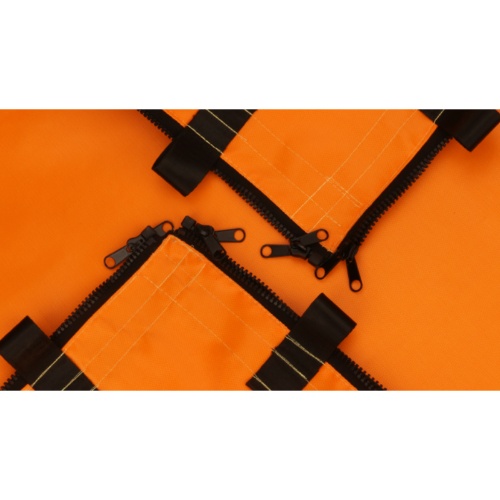
Modular Assembly: Connected via sealing rubber strips and stainless steel bolts to avoid crevice corrosion, while facilitating transportation and on-site rapid assembly.
2.2 Electrical Components: Integrated Design
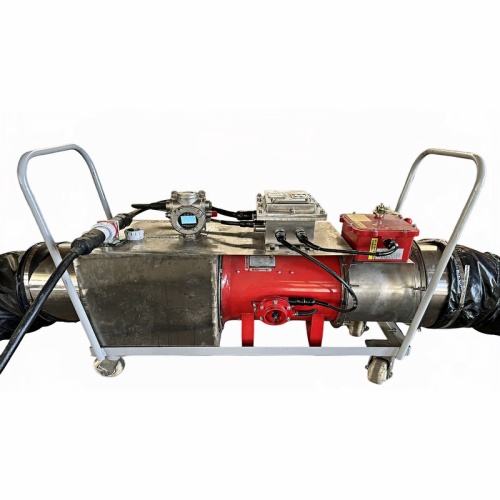
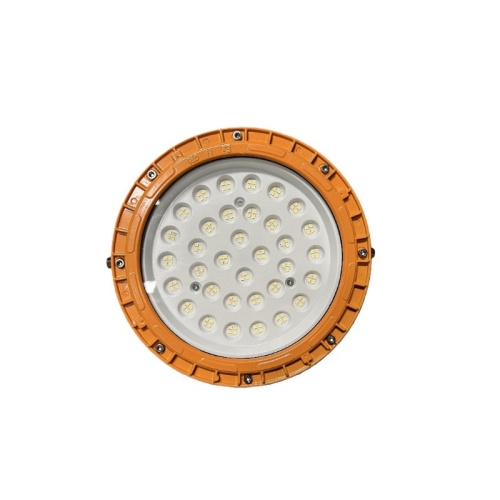
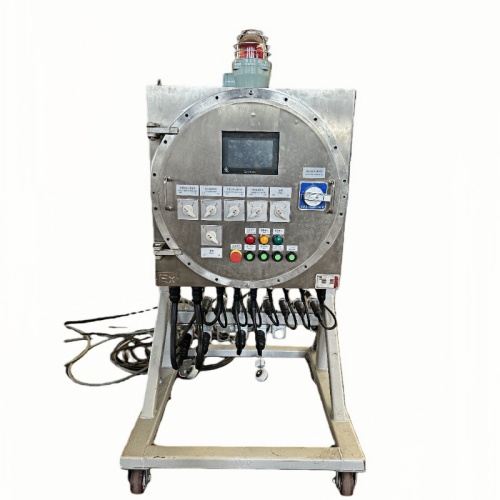
Core electrical components such as detectors, control boxes, and fans all use ATEX-certified anti-corrosion enclosures with an IP66 protection grade, resisting salt spray and rainwater intrusion.
Line interfaces are equipped with stainless steel explosion-proof glands and filled with sealant to prevent short-circuit failure caused by chloride ion penetration.
2.3 Ventilation and Sealing
When required, the Welltech Positive Pressure Explosion-Proof Welding Habitat is equipped with an efficient salt spray filter at the air inlet, filtering over 95% of salt particles to reduce their intrusion into the habitat.
The habitat adopts a double-layer sealed structure, maintaining stable positive pressure even in strong sea breeze environments. This blocks external flammable and explosive gases while preventing salt spray from entering.
3. Safety Optimization
3.1 Wind Resistance Stability
Lightweight modular design: The weight of a single module is within the portable range for one or two people, enabling rapid deployment in narrow spaces or on decks.
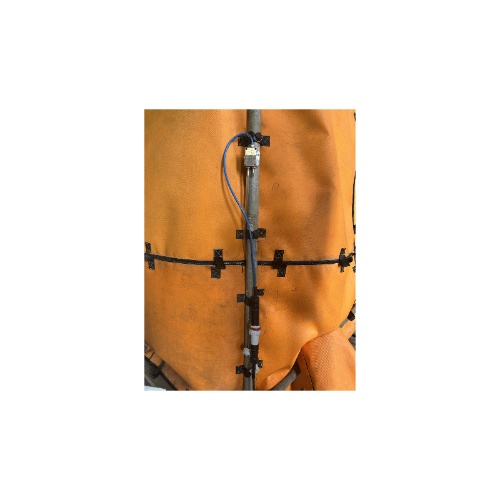
Equipped with adjustable support feet and windproof cables, firmly fixing the habitat on irregular surfaces such as wind turbine tower platforms and decks to resist strong wind erosion.
3.2 ATEX-Grade Explosion-Proof Protection
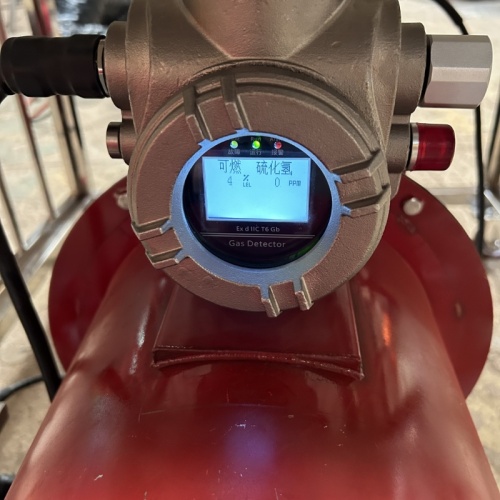
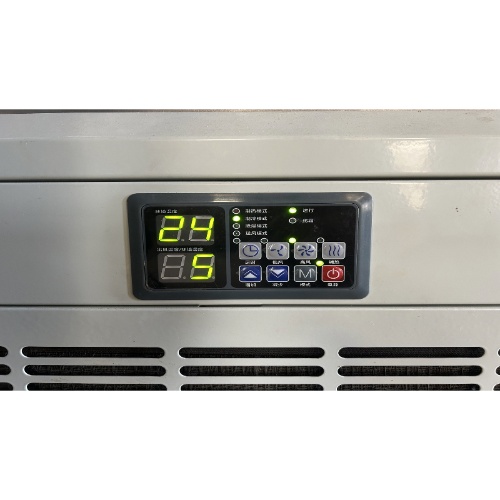
Equipped with an explosion-proof control box, real-time monitoring of combustible gas, oxygen concentration, pressure difference, temperature, and humidity inside and outside the habitat. Triggers audible and visual alarms as well as automatic gas/ power interlock in case of abnormalities.
The positive pressure explosion-proof system maintains a micro-positive pressure (20~50Pa) inside the habitat, effectively blocking the intrusion of external flammable and explosive gases, complying with the ATEX Zone 1 and Zone 2 area safety standards.
The fire-resistant waterproof cloth is made of fully bonded material resistant to 550~1100℃, resisting welding molten slag splashing while preventing sea breeze from blowing sparks into surrounding flammable areas.
4. Application Value and Future Outlook
The application of the Welltech Positive Pressure Explosion-Proof Welding Habitat in offshore wind power maintenance not only solves equipment reliability issues caused by salt spray corrosion and strong wind environments but also minimizes hot work safety risks through ATEX-grade explosion protection. Compared with traditional temporary protection solutions, it offers the following advantages:
Extends equipment service life and reduces cycle maintenance costs.
Meets international safety and compliance requirements, empowering the development and progress of China's offshore wind power.
As offshore wind power develops toward deep seas, corrosion resistance and safety technology for more extreme environments will continue to be updated and iterated.
Welltech will continue to focus on customer needs, driving material innovation and intelligent monitoring upgrades to provide safer and more reliable hot work solutions for global marine energy O&M.