



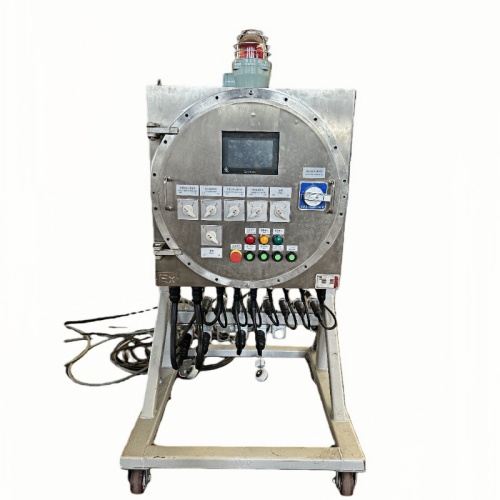

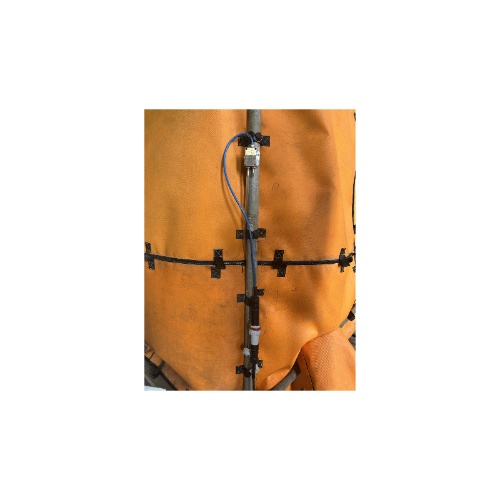
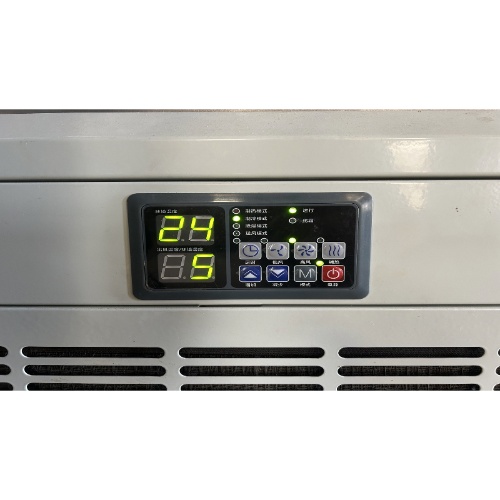
Introduction of ATEX
ATEX
1. Introduction
ATEX is the abbreviation of the French term “ATmosphères EXplosibles” (explosive atmospheres). It refers to the European Commission Directive “94/9/EC” on equipment and protective systems intended for use in potentially explosive atmospheres, issued on March 23, 1994.
It became mandatory on July 1, 2003, and has since been replaced by the new Directive “2014/34/EU”. ATEX is a mandatory safety regulation and product certification system established by the European Union for equipment used in potentially explosive atmospheres.
Manufacturers of equipment for potentially explosive environments may apply the ATEX Directive and affix the CE marking to their products. Once compliant, their explosion-protected equipment can be sold anywhere in Europe without additional requirements.
The purpose of this certification system is to prevent explosion accidents, protect personnel and equipment safety, and ensure the free movement of explosion-protected products within the EU market through unified technical standards and compliance requirements.
In general, three prerequisites must be met for the application of this certification directive:
(1) The equipment must inherently contain an ignition source.
(2) It is intended for use in potentially explosive atmospheres (air mixtures).
(3) It operates under normal atmospheric conditions.
2. Core Regulations
ATEX is based on two core EU directives that regulate the responsibilities of equipment manufacturers and employers respectively:
(1) Equipment Directive: 2014/34/EU
Replaces the old Directive 94/9/EC and entered into force on April 20, 2016.
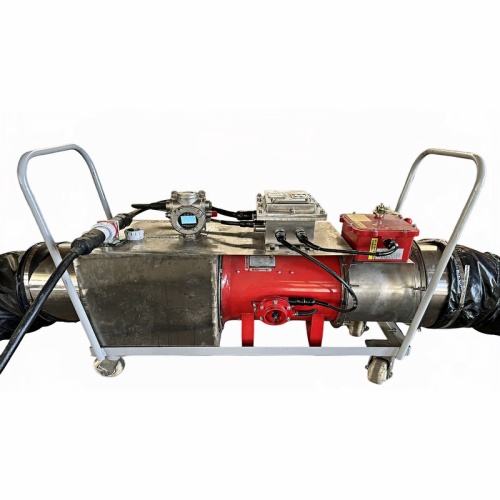
Applies to: equipment, protective systems, components, and electrical/non-electrical parts related to “intrinsic safety” for use in potentially explosive atmospheres.
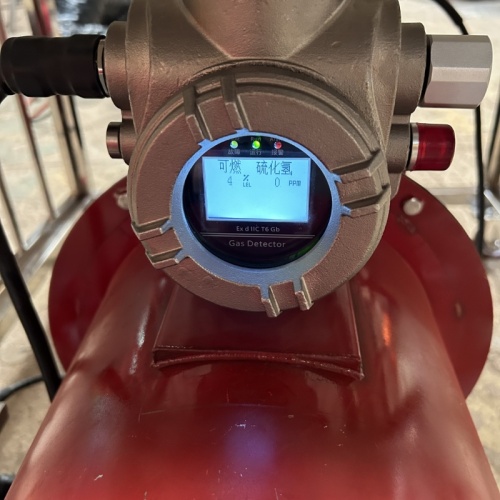
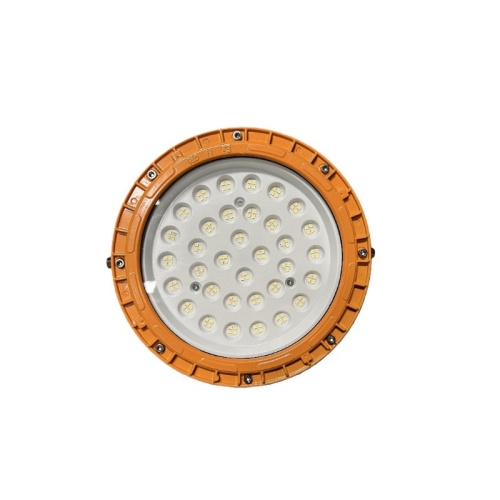
Electrical equipment: motors, switches, sensors, lighting fixtures, junction boxes, etc.
Non-electrical equipment: valves, pumps, compressors, mixers, conveyors, and other mechanical devices.
Protective systems: explosion barriers, flame detectors, explosion suppression systems, etc.
Core requirement: Products must pass a conformity assessment to prove they will not act as an ignition source (e.g., electric arcs, hot surfaces, static sparks) in the intended explosive atmosphere. They must also bear the CE marking and ATEX explosion-protection marking to be placed on the EU market.
(2) Workplace Directive: 1999/92/EC
Effective date: July 1, 2003; mandatory management requirements for employers.
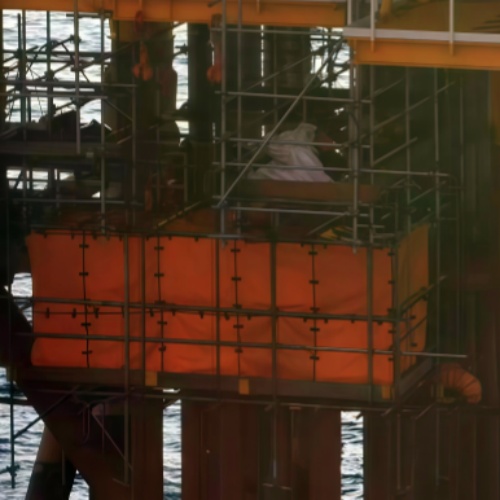
Applies to: all workplaces with potentially explosive atmospheres (e.g., petrochemical plants, coal mines, dust workshops, offshore platforms, etc.).
Core responsibilities:
1) Conduct risk assessments of the workplace and classify explosive hazardous zones.
2) Select ATEX-certified equipment according to zone classification.
3) Establish explosion-protection safety operating procedures and provide professional training for employees.
4) Regularly inspect and maintain explosion-protected equipment and on-site safety facilities.
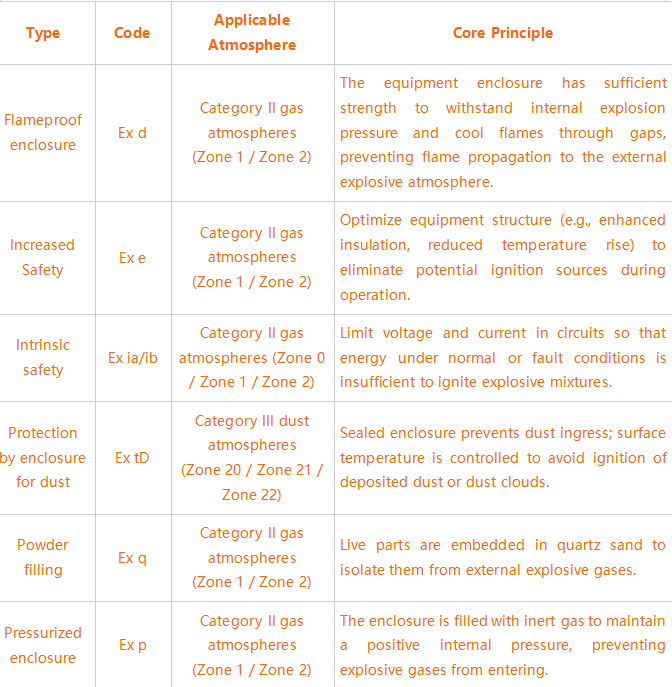
3. Types of Explosion Protection
4. Why ATEX Is Required
(1) Explosion-protected equipment without ATEX certification is prohibited from sale and use within the European Union.
(2) ATEX is based on the international IEC 60079 standards. Its certification is widely recognized in most countries worldwide, serving as a key passport for the internationalization of equipment.